
Wednesday: Hypocrisy

Daily Lesson for Wednesday 11th of November 2026
Have you ever looked at things that others have done in the past and thought to yourself, If that were me, I never would have done what those people did! However, if we are honest with ourselves, we may not do the exact things that others do, but we often behave in similar ways, repeating the same mistakes while, perhaps, blinding ourselves willfully to what we are really doing. This is the principle Jesus Himself addressed when He said: “ ‘Hypocrite! First remove the plank from your own eye, and then you will see clearly to remove the speck from your brother’s eye’ ” (Matthew 7:5, NKJV).
Read Matthew 23:30-35. What important but painful point is Jesus making here? What warning might we need to take from His words?
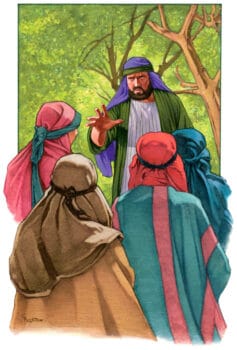
Image © Jeff Preston at Goodsalt.com
There is a sense in these verses that Jesus hated the behavior of the Pharisees because their hypocrisy was made even worse by a determined refusal to change. Jesus had had enough of the religion of the Pharisees. He was finished with spiritual elites in long flowing robes who were little more than whitewashed tombs filled with the bones of the dead (Matthew 23:27-28). They would not confess or forsake their sins, even when the sins were pointed out to them, even when Jesus again and again gave them a chance to repent and be saved.
In His dealing with these men, no wonder Jesus would call them “hypocrites”! The line often went like this: “ ‘Woe to you, scribes and Pharisees, hypocrites!’ ” (see Matthew 23:14-15,23,25,27).
Their lives were, indeed, characterized by saying one thing while doing another. Such was their approach to the prophets. They thought, for instance, that by beautifying the tombs of the prophets, they were honoring the faith; but in the important things, such as repenting at the words of the prophets, they refused to do so. Instead, they wanted to be associated with the power and pathos of the prophets but not the content of their messages. In burnishing the tombs and sepulchres of God’s servants, they reasoned to themselves that they would never have shed the blood of God’s messengers. Yet, at that very time they were planning the murder of Someone much more than a prophet—the Messiah Himself.
|
How do we make sure that in principle, we don’t do the same thing: outwardly acting religious while inside being full of rebellion and greed and hate? |

When you read the Gospels, you notice quite quickly that Jesus does not hold back when in comes to hypocrisy. “Vipers”, and “Whited Sepulchres”, are just some of the expressions he used to describe them. But hypocrisy wasn’t just a New Testament sin. Listen to how Isaiah describes it:
Now that is a meaningful prophecy, describing both the sin of hypocrisy and how to replace it with practical Christianity.
The spirit of hypocrisy is dangerous; it is self-destructive and self-righteous. This spirit blinds victims to their own sin, making it hard to seek repentance. The tragedy of hypocrisy is that it creates spiritual blindness. Even more sadly, spiritual arrogance starts to sneak in because at the heart of hypocrisy is pride. This wicked spirit makes us condemn yesterday’s sins while we are committing today’s sins.
“If we had been in the days of our fathers, we would not have been partakers with them in the blood of the prophets” (Matthew 23:30).
Jesus’s story in Luke 18:11–14, about the Pharisee and the Tax Collector, says it all. The Pharisee did not see the need for repentance, and he went away full of himself with self-righteousness. This is the deadly nature of hypocrisy: having no humility before God. Perhaps another deadly nature of hypocrisy is that it causes us to resist the very truth that we profess. This is completely ironic. The religious leaders in Jesus’s time claimed to honour the prophets, but they rejected the One whom the prophets testified about. Even we today strongly defend biblical holiness, but we treat people with hatred, bitterness and disdain. God is less interested in what we profess but in the state of our hearts.
The good news is that Scripture does not simply expose the self-destructive spirit of hypocrisy, but it also provides the pathway to freedom. Instead of constantly examining the failures of others, let us invite God to examine our own hearts and give us power to overcome this wicked spirit.
“Search me, O God, and know my heart: try me, and know my thoughts: And see if there be any wicked way in me, and lead me in the way everlasting” (Psalm 139:23-24, KJV).
𝗢𝘂𝗿 𝗮𝗴𝗲 𝗶𝘀 𝗳𝘂𝗹𝗹 𝗼𝗳 𝗽𝗿𝗲𝘁𝗲𝗻𝗰𝗲 𝗮𝗻𝗱 𝗼𝘂𝘁𝘄𝗮𝗿𝗱 𝗮𝗽𝗽𝗲𝗮𝗿𝗮𝗻𝗰𝗲𝘀. 𝗣𝗲𝗿𝗵𝗮𝗽𝘀 𝗵𝘆𝗽𝗼𝗰𝗿𝗶𝘀𝘆 𝗵𝗮𝘀 𝗻𝗲𝘃𝗲𝗿 𝗼𝗰𝗰𝘂𝗽𝗶𝗲𝗱 𝘀𝘂𝗰𝗵 𝗮𝗻 𝗲𝗺𝗶𝗻𝗲𝗻𝘁 𝗽𝗼𝘀𝗶𝘁𝗶𝗼𝗻 𝗮𝘀 𝗶𝘁 𝗱𝗼𝗲𝘀 𝘁𝗼𝗱𝗮𝘆. 𝗩𝗲𝗿𝘆 𝗳𝗲𝘄 𝗽𝗲𝗼𝗽𝗹𝗲 𝗴𝗲𝗻𝘂𝗶𝗻𝗲𝗹𝘆 𝗹𝗼𝘃𝗲 𝘁𝗵𝗲 𝗻𝗮𝗸𝗲𝗱 𝘁𝗿𝘂𝘁𝗵. 𝗝𝗲𝘀𝘂𝘀 𝗲𝘅𝗽𝗼𝘀𝗲𝗱 𝗵𝘆𝗽𝗼𝗰𝗿𝗶𝘀𝘆 𝗯𝘆 𝗽𝗼𝗶𝗻𝘁𝗶𝗻𝗴 𝗼𝘂𝘁 𝘁𝗵𝗲 𝗰𝗼𝗻𝘁𝗿𝗮𝗱𝗶𝗰𝘁𝗶𝗼𝗻 𝗯𝗲𝘁𝘄𝗲𝗲𝗻 𝘄𝗵𝗮𝘁 𝗽𝗲𝗼𝗽𝗹𝗲 𝗽𝗿𝗼𝗳𝗲𝘀𝘀 and 𝘄𝗵𝗮𝘁 𝘁𝗵𝗲𝘆 𝗽𝗿𝗮𝗰𝘁𝗶𝘀𝗲: “They say, and do not” (Matthew 23:3). The Pharisees were particularly guilty of this. They spoke like angels, quoted Scripture with remarkable fluency and discussed theological doctrines and religious matters with great confidence. In their own estimation, they possessed superior knowledge and understanding. Yet their lives did not reflect the truths they so eloquently proclaimed.
Jesus warned against this kind of religion, where outward appearances conceal inward corruption: “Even so ye also outwardly appear righteous unto men, but within ye are full of hypocrisy and iniquity” (Matthew 23:28). One of the greatest dangers of hypocrisy is that we become experts at recognising the sins of others while remaining blind to our own. 𝗧𝗵𝗲 𝗣𝗵𝗮𝗿𝗶𝘀𝗲𝗲𝘀 𝗰𝗼𝘂𝗹𝗱 𝗲𝗮𝘀𝗶𝗹𝘆 𝗰𝗼𝗻𝗱𝗲𝗺𝗻 𝘁𝗵𝗲 𝗳𝗮𝗶𝗹𝘂𝗿𝗲𝘀 𝗼𝗳 𝗽𝗿𝗲𝘃𝗶𝗼𝘂𝘀 𝗴𝗲𝗻𝗲𝗿𝗮𝘁𝗶𝗼𝗻𝘀, 𝘆𝗲𝘁 𝘁𝗵𝗲𝘆 𝗳𝗮𝗶𝗹𝗲𝗱 𝘁𝗼 𝗿𝗲𝗰𝗼𝗴𝗻𝗶𝘀𝗲 𝘁𝗵𝗲 𝘀𝗮𝗺𝗲 𝗿𝗲𝗯𝗲𝗹𝗹𝗶𝗼𝘂𝘀 𝘀𝗽𝗶𝗿𝗶𝘁 𝗶𝗻 𝘁𝗵𝗲𝗶𝗿 𝗼𝘄𝗻 𝗹𝗶𝘃𝗲𝘀. Jesus challenged this attitude when He said, “And why beholdest thou the mote that is in thy brother’s eye, but considerest not the beam that is in thine own eye?” (Matthew 7:3–5).
We may readily remember the mistakes of our childhood, the pranks we played in high school and the sins we committed many years ago. But how many of us are willing to honestly confront the sins we committed this week, the unkind words we spoke, the dishonesty we entertained, the pride we displayed or the forgiveness we withheld? David understood this need for personal examination when he prayed, “Search me, O God, and know my heart: try me, and know my thoughts” (Psalm 139:23–24). 𝗧𝗿𝘂𝗲 𝗖𝗵𝗿𝗶𝘀𝘁𝗶𝗮𝗻𝗶𝘁𝘆 𝗯𝗲𝗴𝗶𝗻𝘀 𝗻𝗼𝘁 𝘄𝗶𝘁𝗵 𝗲𝘅𝗽𝗼𝘀𝗶𝗻𝗴 𝘁𝗵𝗲 𝘀𝗶𝗻𝘀 𝗼𝗳 𝗼𝘁𝗵𝗲𝗿𝘀 𝗯𝘂𝘁 𝘄𝗶𝘁𝗵 𝗮𝗹𝗹𝗼𝘄𝗶𝗻𝗴 𝗚𝗼𝗱 𝘁𝗼 𝗲𝘅𝗽𝗼𝘀𝗲 𝗮𝗻𝗱 𝘁𝗿𝗮𝗻𝘀𝗳𝗼𝗿𝗺 𝗼𝘂𝗿 𝗼𝘄𝗻 𝗵𝗲𝗮𝗿𝘁𝘀.